A security check for samples
How to protect your instruments and data – always?
Dr. Martin Meyer, Shimadzu Europa GmbH
If you have ever traveled by air, you know the drill: Before you can board, you first must pass through security. Suitcases and carry-ons have to pass through several screening checkpoints. X-ray scanners, metal detectors and security staff carefully check which items are allowed on board – and which must be removed. Sure, it is an inconvienence, but it is essential for everyone’s safety on board.
The same principle applies to preparing samples for analytical testing. Although often seen as a hassle, it is essentially the “security check” for samples: It prevents harmful contaminants from entering sensitive analytical instruments, ensuring reliable, reproducible results and reducing downtime.

Today, samples and measuring instruments are as diverse as the questions they are designed to help answer. A wide variety of sample matrices – from aqueous solutions and complex biological specimens to organic extracts – can contain a broad range of potential contaminants that may interfere with measurements or damage sensitive instruments. Thoughtful sample preparation (including choosing the right filters) is not just an extra precaution; it is often crucial to producing reliable results and protecting sensitive instruments.
Particles, suspended solids and other undissolved components in samples can cause damage – most often by clogging delicate components such as valves, capillaries and frits. Damage that often shows up as baseline noise, unexpected peaks or an increase in system pressure. Routine filtration can remove these interfering substances before they ever reach the instrument.
A simple and effective way to remove interfering contaminants is the use of syringe filters (Figure 1). These are attached to a syringe and the sample is then pushed through the filter using gentle pressure. The key advantage is speed, since applying pressure makes filtration much faster than with traditional paper filters, where the liquid moves through the filter by gravity alone. Syringe filters typically contain a membrane inside, which is enclosed and protected by an outer housing (Figure 2).
Ideally, the membrane should be matched to the individual sample and can have different properties. In most cases, it is important to consider whether the sample is purely aqueous or contains a higher proportion of organic solvents. The membrane should also be able to withstand aggressive chemicals. Table 1 provides guidance on which filters to use for specific types of samples.
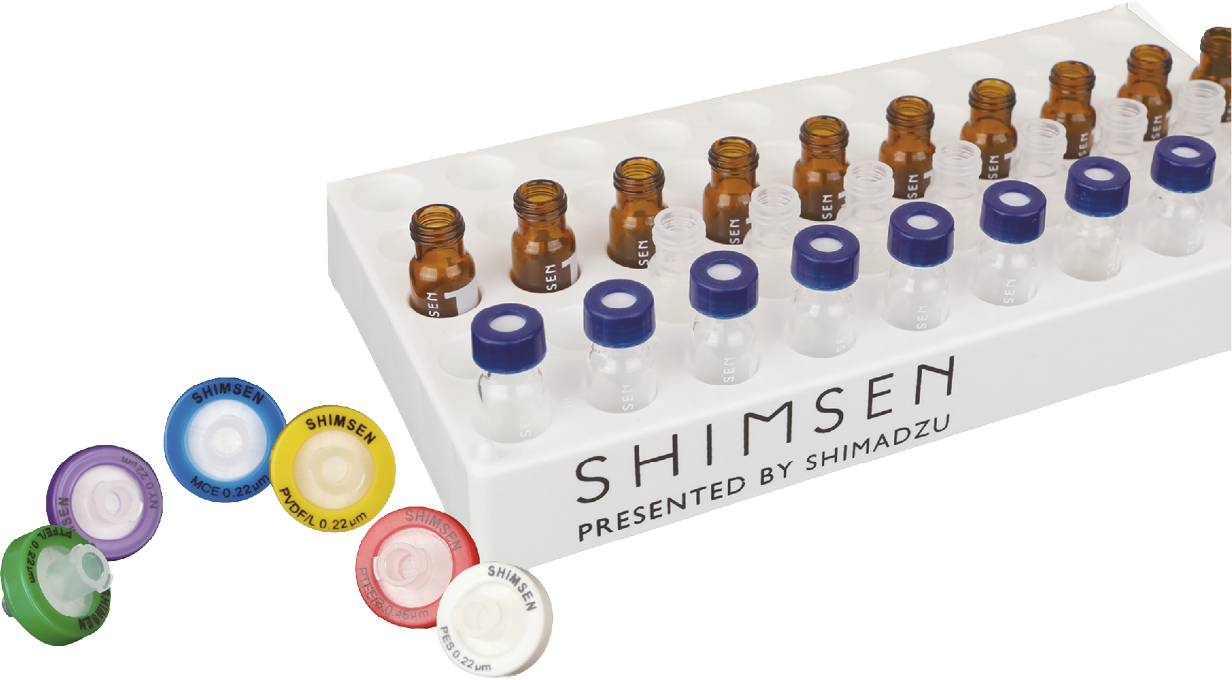
Figure 1: Shimadzu syringe filter overview
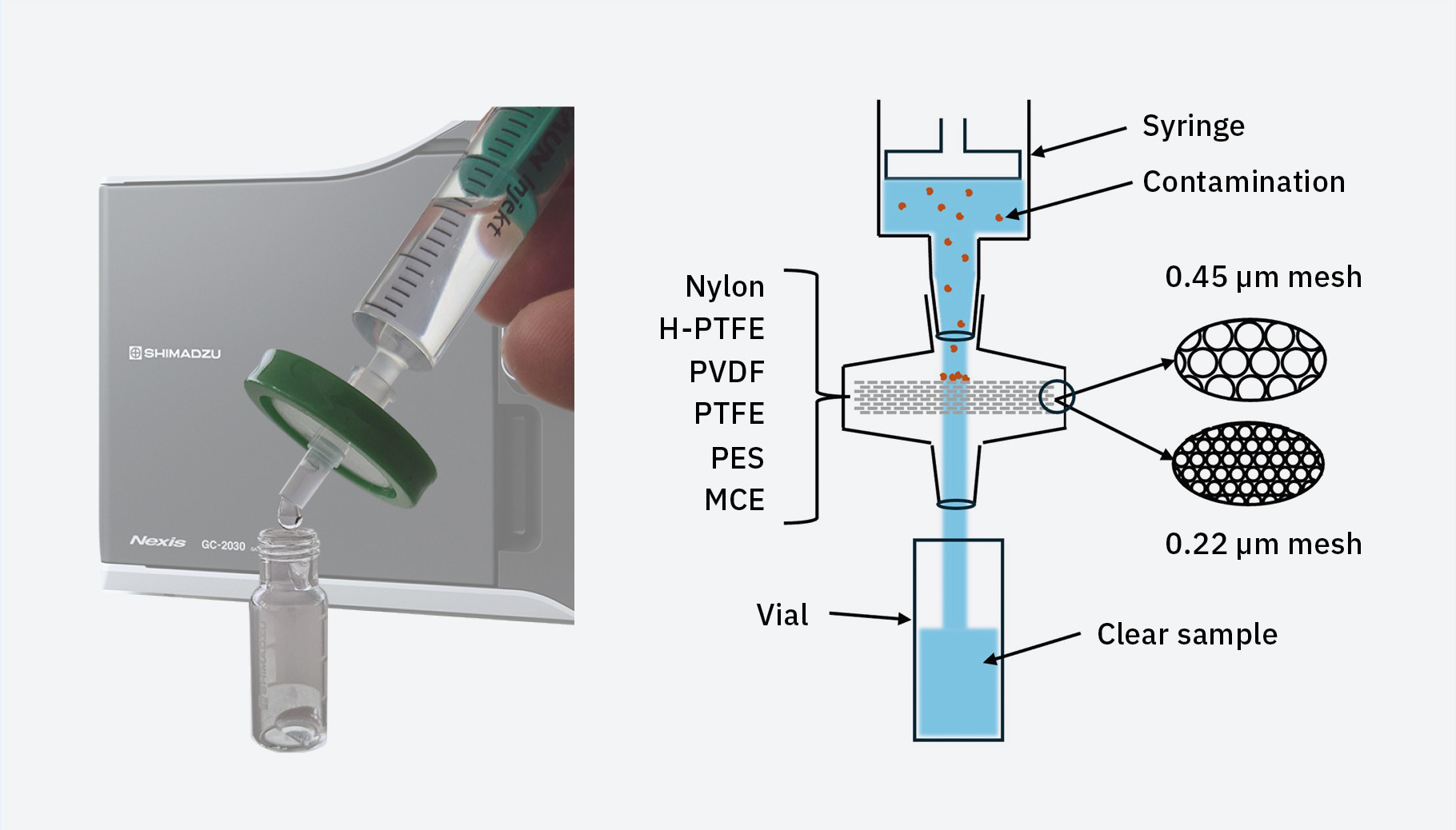
Figure 2: Function and variations of syringe filters
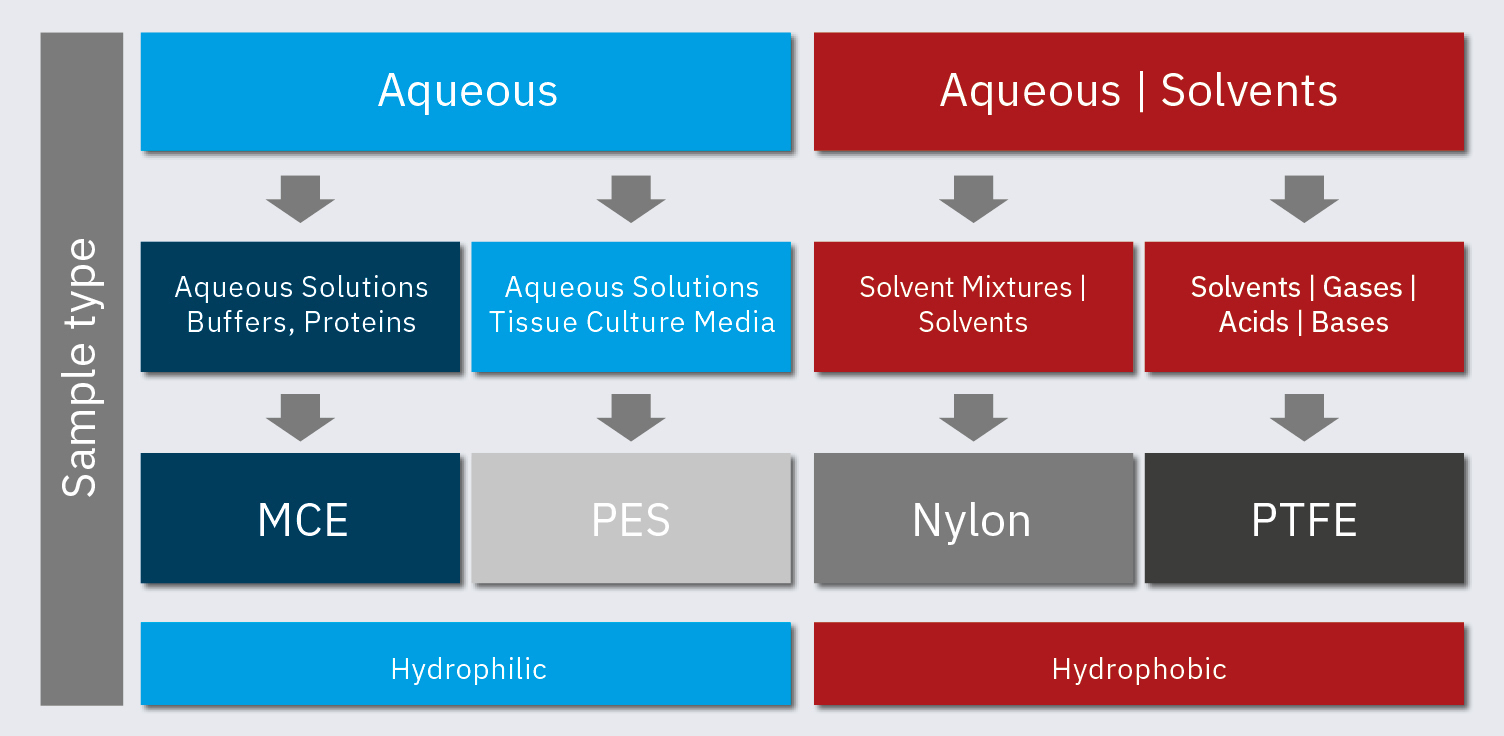
Table 1: Choosing the right syringe filter
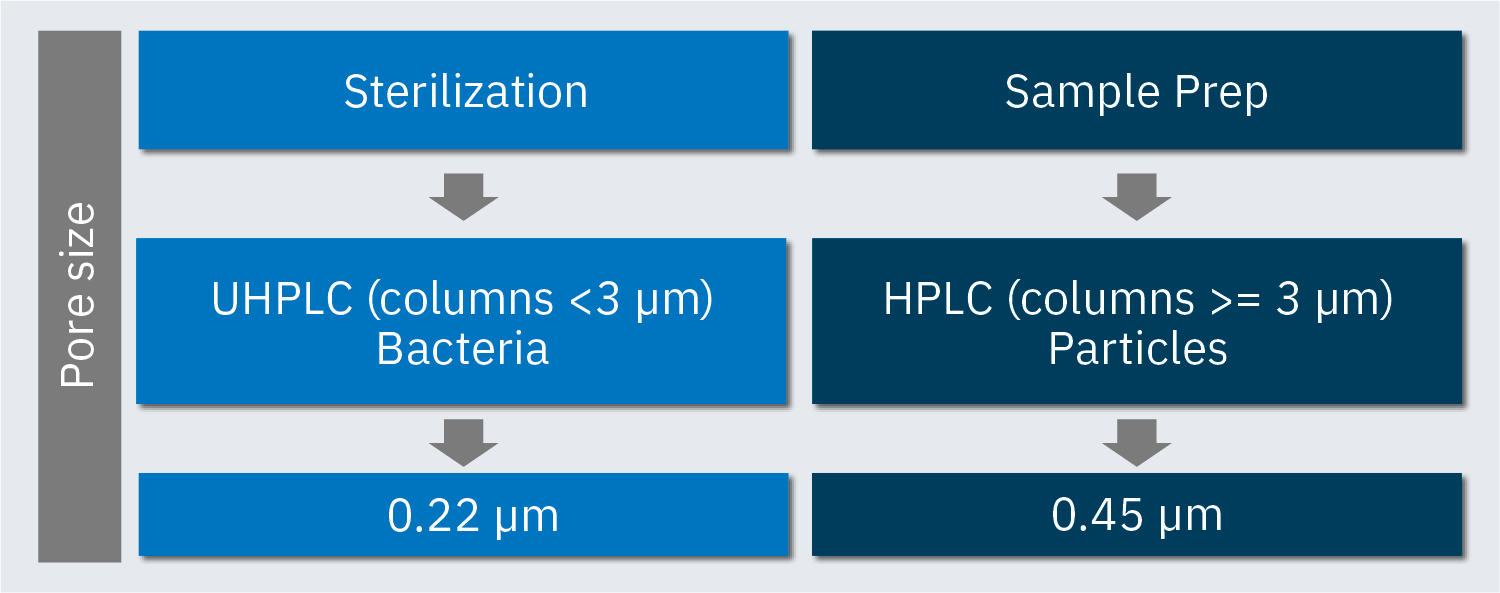
Table 2: Syringe filter pore sizes
The membrane’s pore size also determines which particles are retained by the filter (Table 2). Common pore sizes include:
- 0.2 µm: removes very fine particles and many microorganisms; the standard choice when the highest level of purity is required (e.g., LC-MS)
- 0.45 µm: a commonly used pore size for general HPLC analyses; reliably removes larger particles
- 1–5 µm: prefilter range for the removal of coarse particles
In addition to these standard filters, there are also several specialized solutions available.
For proteins:
PVDF (polyvinylidene fluoride): hydrophilic and low in protein binding – a good choice for protein-containing samples and LC-MS applications. PVDF is more expensive, but has advantageous binding and flow properties.
For heavily contaminated samples:
Dual-layer filters: a glass fiber prefilter followed by a PES membrane

In practice, it is important not only that filters remove unwanted substances, but also that they do not alter the sample being analyzed. Two things can happen here: First of all, lower-quality filters may themselves be contaminated and release impurities into the sample. Secondly, filters can also remove substances of interest from the sample or reduce their concentration. If we stick with the airport analogy, it would be just as problematic if the security check caused you to lose your own luggage or if you suddenly found yourself holding someone else’s bag.
But let us get back to practical sample work – specifically, experiments involving ion chromatography measurements (Figures 3 and 4). Here, ionized substances such as chloride, fluoride, sulfate and others are identified. Because these substances occur naturally almost everywhere, using clean materials is particularly important. Pure water was measured, as well as water that had been filtered through a PES filter after discarding the first 0.5 mL. The anion standard was measured directly and again after filtration through a PES filter (with the first 0.5 mL discarded). Comparing this with the blank value, you will see that neither the introduction of additional ions nor a loss of the standard analytes could be detected. That is why these filters are particularly well suited for sensitive analytical methods such as ion chromatography.
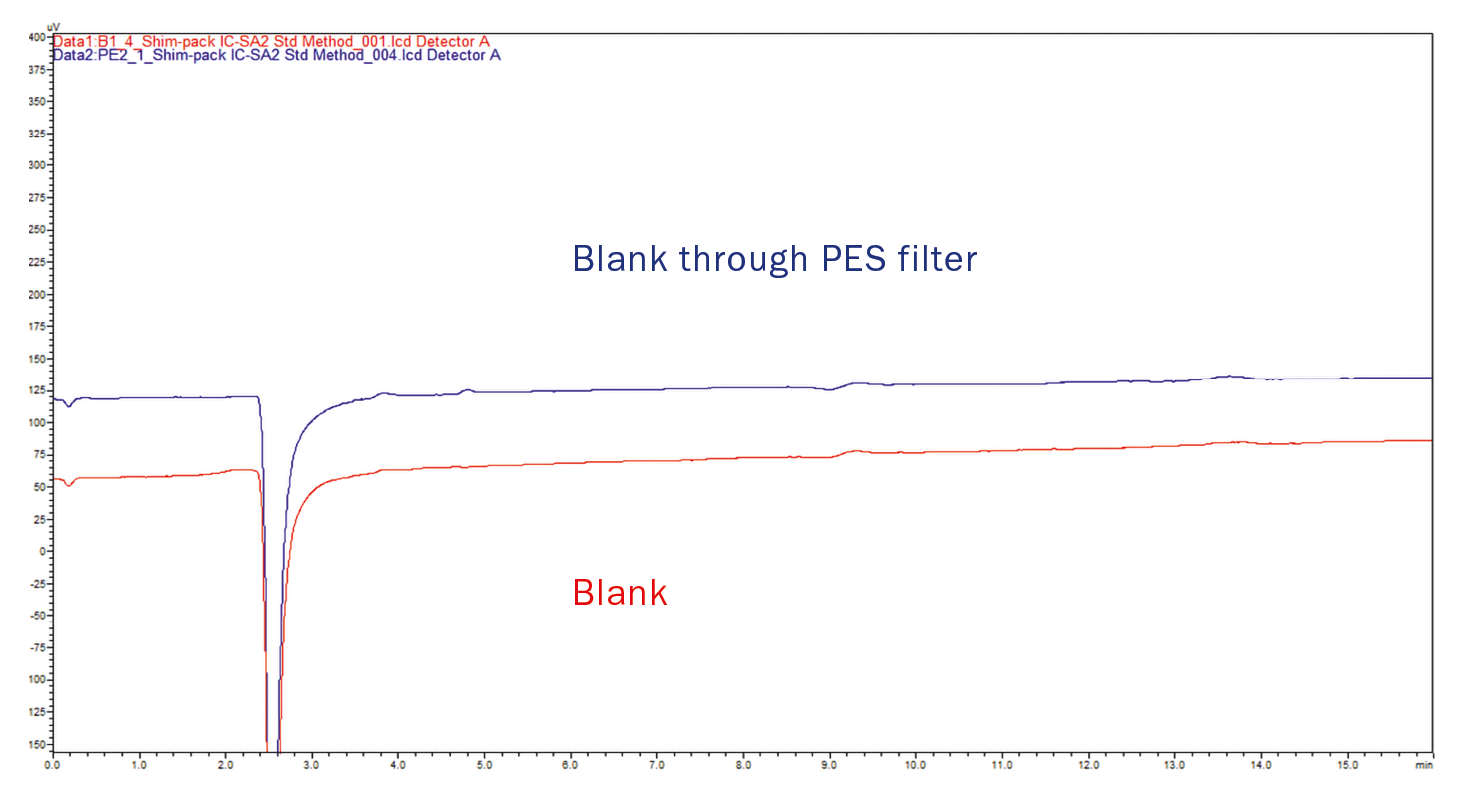
Figure 3: Emission testing of PES filters using ion chromatography
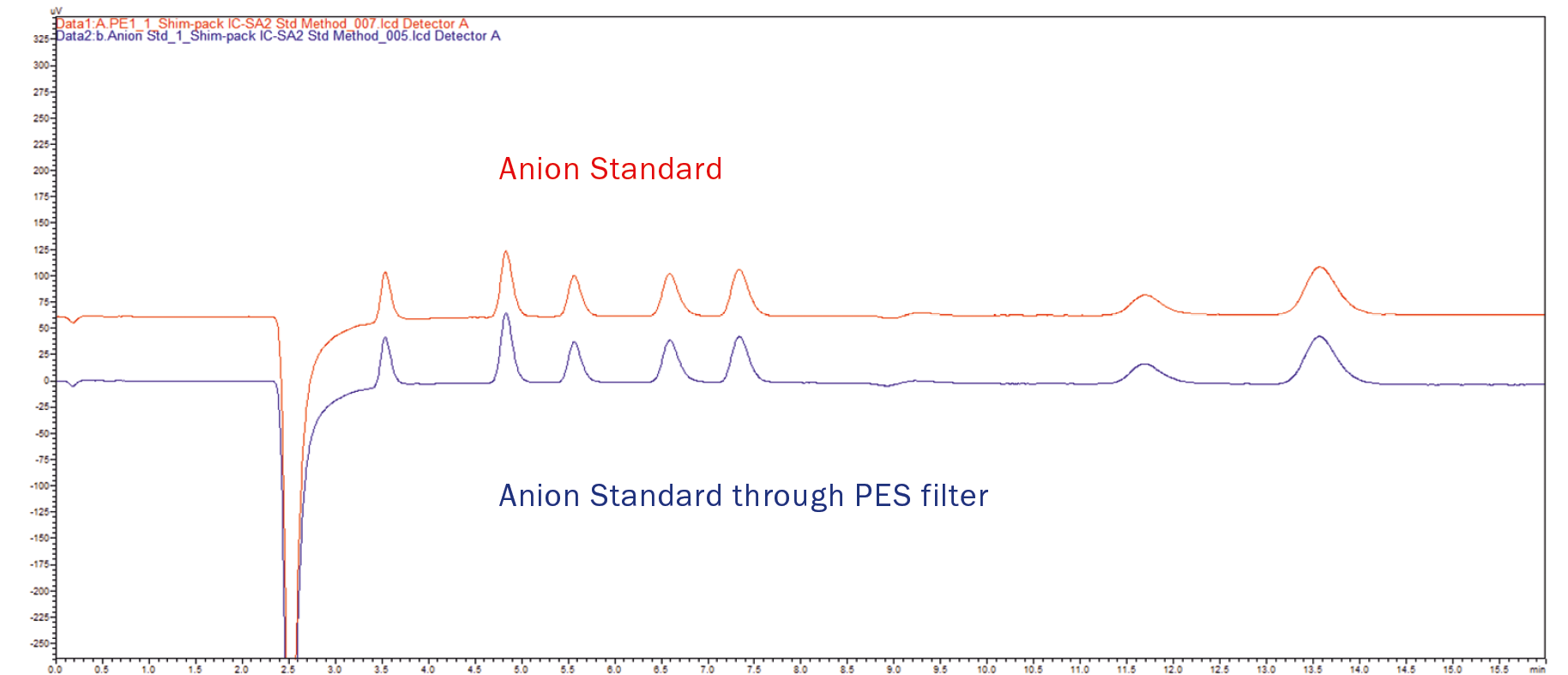
Figure 4: Adsorption testing of PES filters using ion chromatography
In addition to syringe filters, there is an even more convenient filtration method in what are known as filter vials (Figure 5). The sample is placed directly into the vial and by pressing down the vial cap, the liquid is forced through a membrane built into the bottom. The filtered sample stays in the vial and can then be inserted directly into the analytical instrument (Figure 6).
Filter vials are available in many different versions, with a range of membrane materials, pore sizes and designs (clear or amber). This makes it possible to select the right combination depending on the type of sample and the measuring task.
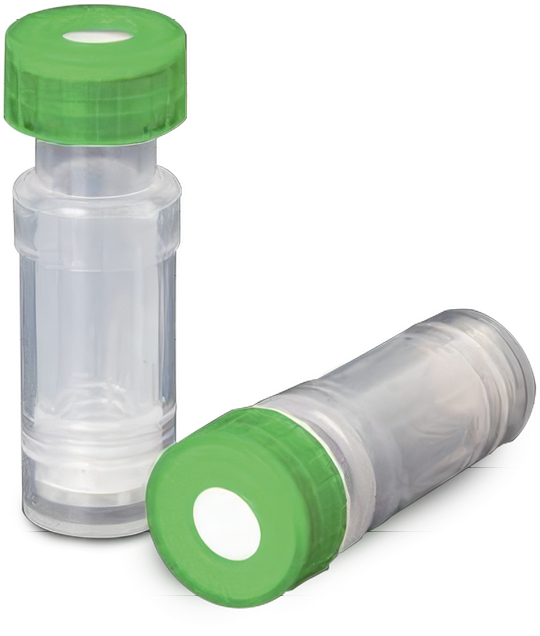
Figure 5: Filter vial
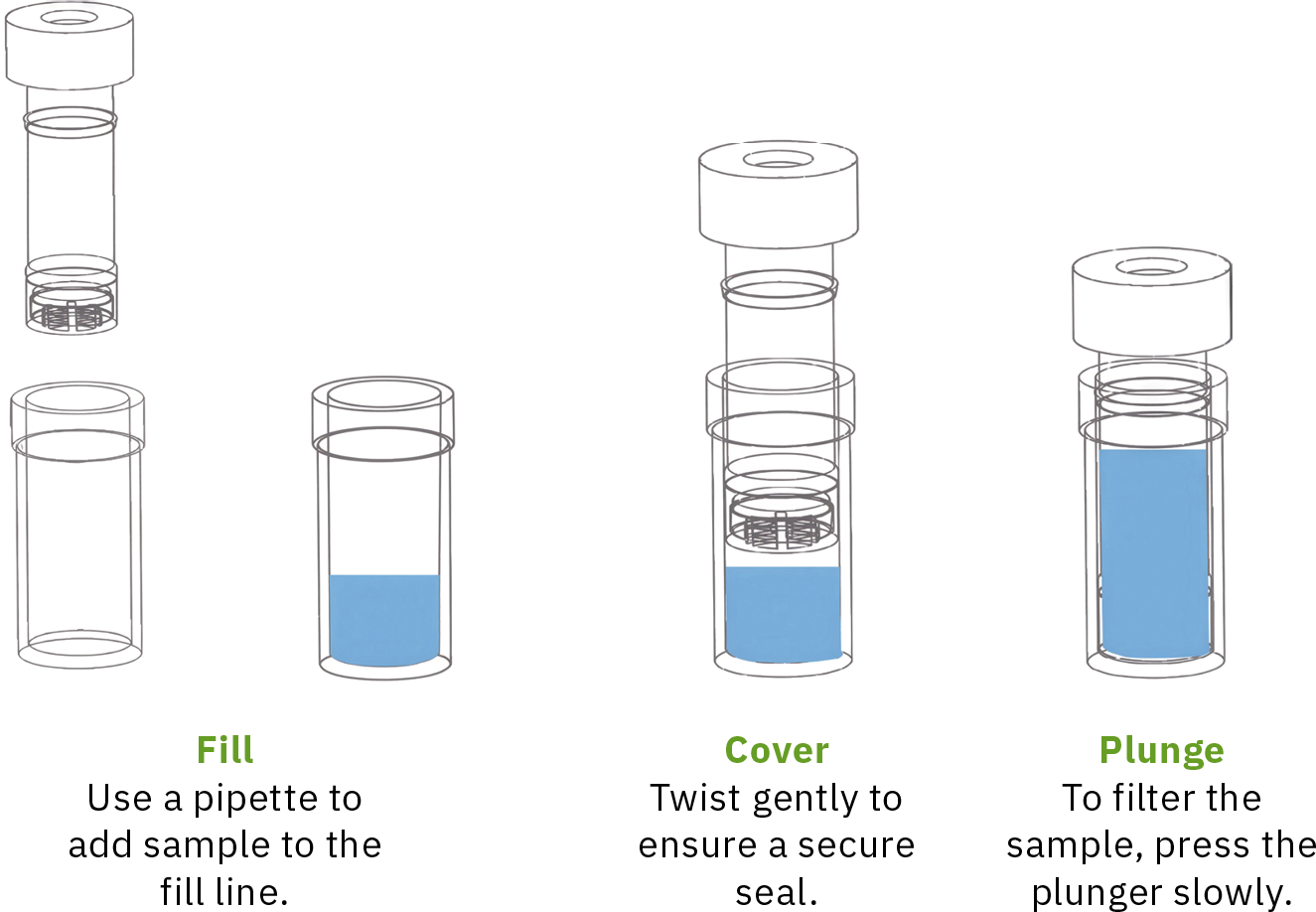
Figure 6: How to use filter vials
Ready for take-off with the perfect preparation
Syringe filters and filter vials are simple, cost-effective, yet highly protective measures for modern analytical systems. The right combination of membrane material, pore size and format protects instruments, improves data quality and reproducibility as well as reduces downtime and costs. Making small investments in well-designed “checkpoints” often prevents major unexpected problems. Because whether you are flying or preparing samples, the same rule applies: Safety first.